
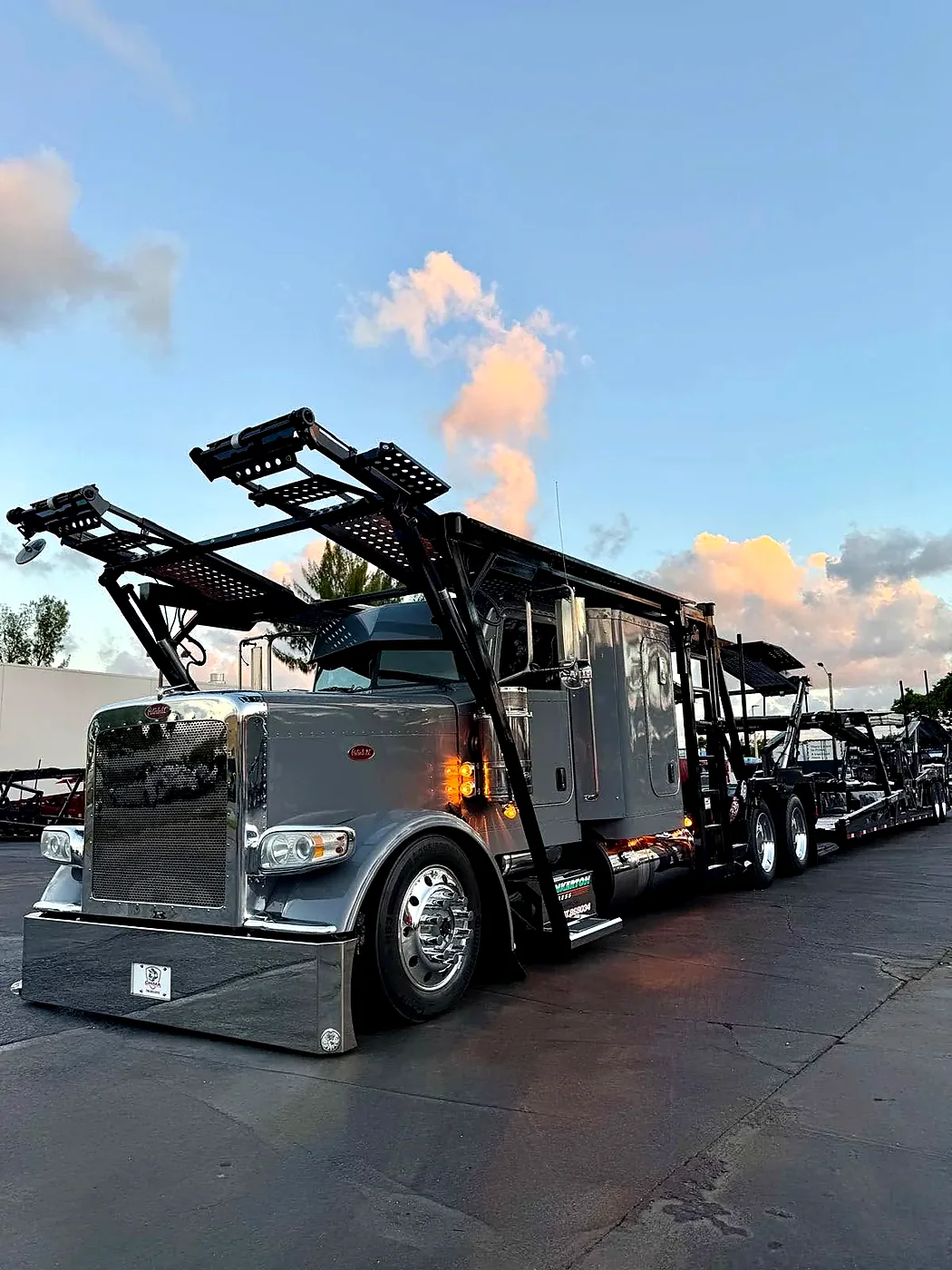
From paper maps and pay phones to digital load boards, GPS, electronic inspections and online verification, a look at how vehicle transport operations evolved. The goal is to explain what matters operationally so customers can make better-informed decisions without turning a real shipment into a generic checklist.
The basic responsibility has not changed
Vehicles still have to be loaded safely, moved legally and delivered to the right person in the condition recorded at pickup. What changed dramatically is how drivers, dispatchers, brokers and customers exchange information around that physical job.
Paper maps and pay phones gave way to connected navigation
Long before smartphones, route planning required paper atlases, local directions and phone calls from stops along the road. Today GPS navigation and mobile communication make route changes and customer contact faster, but commercial-truck access still requires judgment that a passenger-car map may not provide.
Load information moves faster
Load boards and transportation-management systems allow brokers and carriers to see opportunities, documents and status information much faster than telephone- and fax-driven workflows. Speed helps, but it also makes identity verification more important because bad information can spread quickly.
Inspections became digital
Paper Bills of Lading are still valid tools, but electronic BOL systems can attach photographs, timestamps and signatures to the shipment record. The technology improves documentation only when the inspection itself is careful.
Customers expect more communication
Years ago, a customer might wait for a scheduled call from the road. Today customers reasonably expect timely updates by phone, text or email. That expectation has made communication a larger part of professional transport service.
Equipment improved, but physics did not
Hydraulics, trailer designs and specialized enclosed equipment have evolved, yet drivers still have to manage vehicle dimensions, ramp angles, weight, securement and safe access. Technology assists experience; it does not replace it.
Verification is easier for consumers
Public FMCSA systems give customers access to federal registration and safety information that once required more effort to obtain. That makes it easier to check whether the company being hired matches the identity presented in the transaction.
Practical takeaway: Gold Coast Auto Transport LLC is an FMCSA-authorized property broker. Carrier availability, equipment, policies and live market conditions vary by shipment, so current details should be confirmed before dispatch.
The fundamentals remain recognizable: the vehicle must be accurately described, the truck must be able to reach a safe loading location, the load has to fit, the driver has to secure it correctly, and the customer needs honest communication. Technology can make those steps faster and more visible. It cannot substitute for sound carrier selection, realistic scheduling or experienced decisions around the equipment.
What has not changed
Fuel, tolls, equipment prices, maintenance, insurance, emissions systems and regulatory compliance all affect the cost of operating a commercial carrier. None of those expenses should be reduced to a single universal formula because they vary by equipment, route and company. What customers can reasonably understand is that the truck has substantial fixed and variable costs before a broker or carrier ever considers the specifics of one shipment.
Compliance and operating costs became more complex
The mix of vehicles on the road has shifted toward larger pickups and SUVs, while low sports cars, wide wheels, aerodynamic bodywork and modified suspensions can create different loading constraints. Modern vehicles also carry sensors, cameras and trim in places that make careless contact expensive. Equipment evolved, but a driver still has to evaluate the actual vehicle in front of the trailer rather than assume every unit fits because a database lists standard dimensions.
Vehicle design changed the loading problem too
Auto hauling once depended much more heavily on paper directions, telephone calls and information passed verbally from dispatch to driver. Mobile phones, GPS navigation, digital load boards and transportation-management systems changed the speed at which a load can be found, assigned and updated. Electronic bills of lading and smartphone photographs also made condition documentation easier to create and transmit. The technology reduced friction, but it did not eliminate the need for judgment at the truck.
From pay phones and paper directions to connected dispatch
Related guides: Verify a transport company • How brokers find carriers • Vehicle tracking
Continue learning: Return to the Gold Coast Knowledge Center →
Need a transport quote? A useful quote starts with the actual route, vehicle, condition and timing. Request a quote.