
Auto transport is easier to use when the customer understands what is happening behind the scenes. This guide explains the practical issues that can affect a real shipment without pretending every route, carrier or vehicle is identical.
Open transport is the industry workhorse
Open multi-vehicle carriers move a large share of privately owned vehicles. They provide broad availability and efficient capacity, which usually makes open transportation the more economical option for ordinary daily drivers.
What open transport does not provide
The vehicle is exposed to normal outdoor conditions during transit. That does not mean damage is expected, but the car is not inside a sealed trailer. Customers shipping especially valuable, rare or presentation-sensitive vehicles may prefer additional protection.
Why enclosed costs more
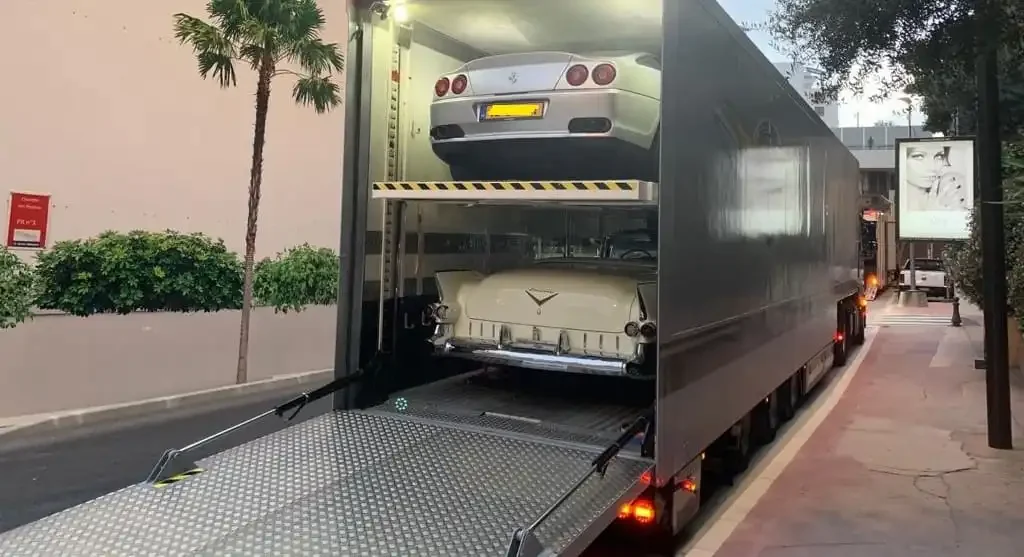
Enclosed trailers generally carry fewer vehicles and use specialized equipment. The cost reflects lower capacity and a more specialized carrier market, not simply a cosmetic upgrade.
Low clearance can change the decision
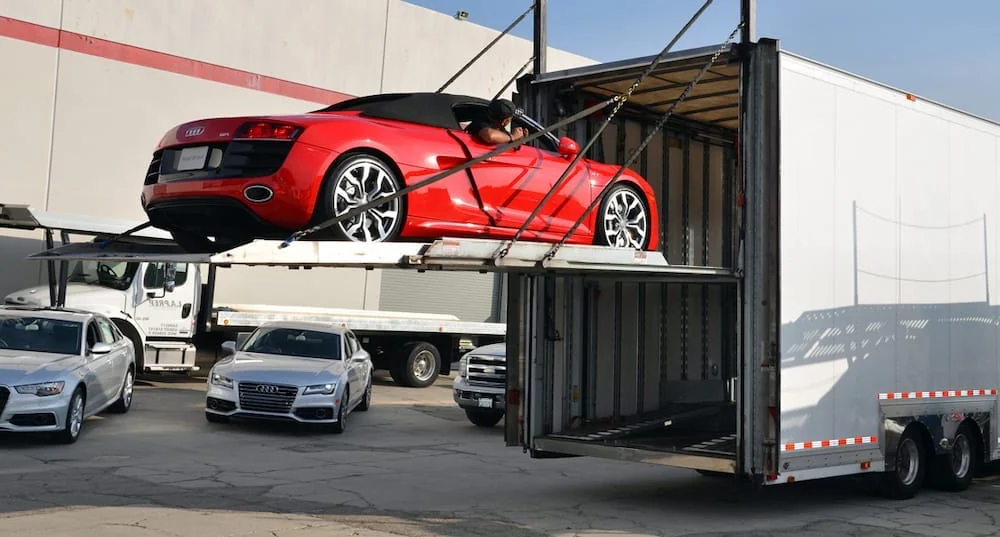
Some sports, exotic and modified vehicles need gentler loading angles or hydraulic lift-gate equipment. Clearance should be discussed before dispatch rather than discovered when the truck arrives.
Insurance still needs verification
Do not assume the word enclosed automatically means adequate coverage for a high-value vehicle. The carrier’s actual cargo coverage and any relevant limitations should be appropriate to the shipment.
Choose based on the vehicle and your risk tolerance
For a typical commuter vehicle, open transport is often entirely appropriate. For a rare classic, exotic, high-value collector vehicle or car with unusually low clearance, enclosed service may be worth the additional cost. The right answer depends on the actual vehicle—not a blanket sales rule.
Verification note: Federal registration, licensing, insurance and safety information can change. For current carrier or broker information, use official FMCSA resources and verify the company you are actually dealing with.
For a daily-driven sedan or SUV, open transport is often the practical choice. For a rare collector car, extremely low vehicle, fresh restoration or vehicle whose finish and components are difficult to replace, enclosed service may be worth the additional cost. The useful question is not which method is universally better; it is which equipment best fits this particular vehicle, route, timing and level of protection desired.
Choose based on the vehicle and your priorities
Open carriers move a large share of passenger vehicles because they provide efficient capacity and are suitable for most everyday cars, SUVs and pickups. The vehicle is exposed to normal road and weather conditions, but it is still transported on purpose-built equipment and should receive pickup and delivery inspections. Enclosed transport adds a physical enclosure and is commonly chosen when exposure itself is a concern.
Open transport is not a lesser form of professional transport
Continue learning: Return to the Gold Coast Knowledge Center →
Need an exact transport quote? Pricing depends on the live route, vehicle, timing and carrier market. Request a quote.