
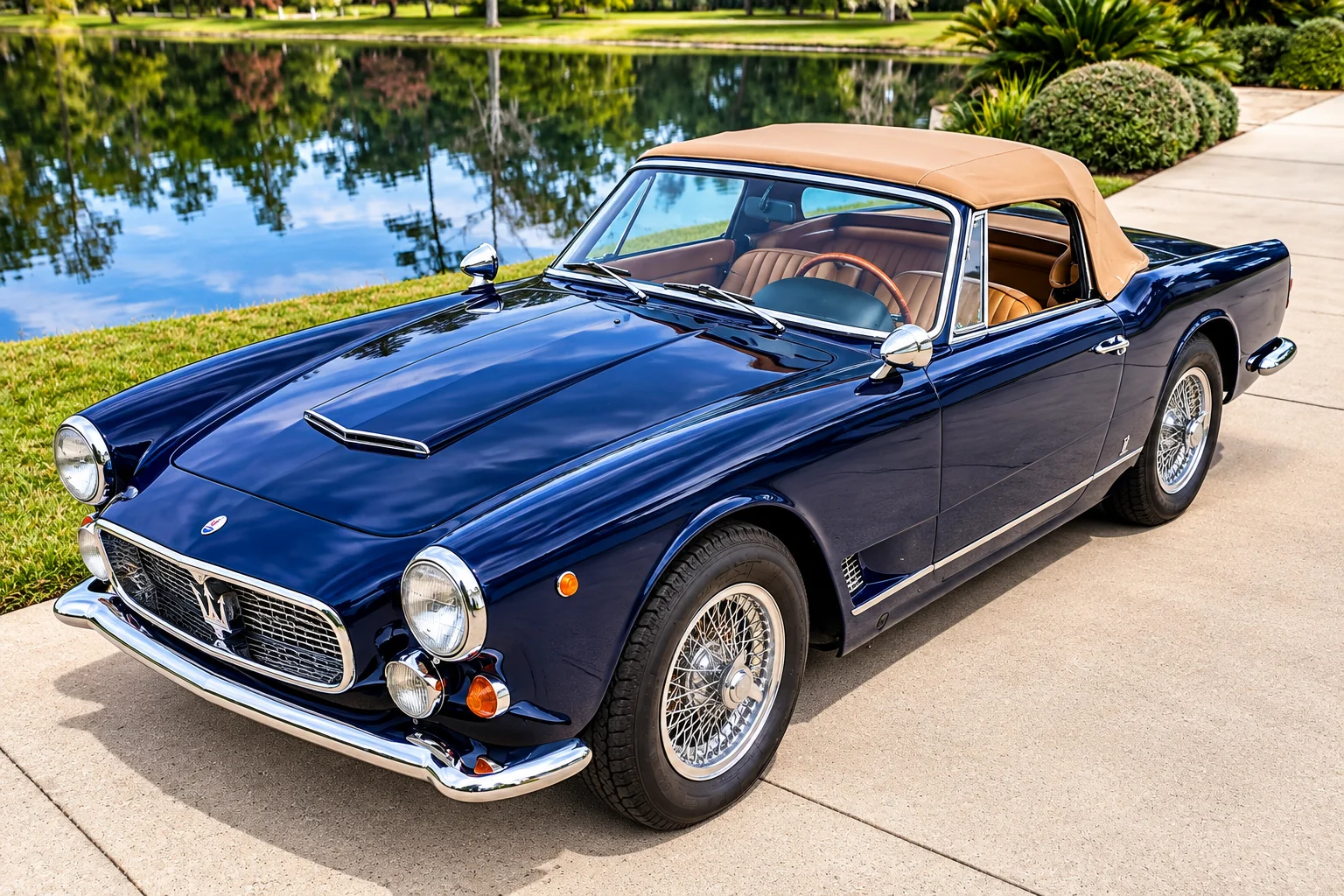
How value, ground clearance, loading angle, enclosed equipment, insurance documentation and inspection affect specialty vehicle transport. The goal is to explain what matters operationally so customers can make better-informed decisions without turning a real shipment into a generic checklist.
Vehicle value is only one reason to plan differently
A specialty vehicle may need extra planning because of low clearance, unusual width, irreplaceable trim, soft paint, convertible components or limited parts availability—not simply because its market value is high.
Loading geometry matters
Low front splitters, long overhangs and lowered suspension can contact ramps even when the vehicle drives normally on the road. Tell the broker the actual ground clearance and modifications. Some vehicles benefit from extended ramps or hydraulic lift-gate equipment.
Enclosed transport changes exposure, not the need for verification
An enclosed trailer protects the vehicle from normal road and weather exposure, but customers should still verify the carrier, equipment and insurance appropriate to the shipment. “Enclosed” is an equipment description, not a substitute for due diligence.
Photographs and inspection should be exceptionally deliberate
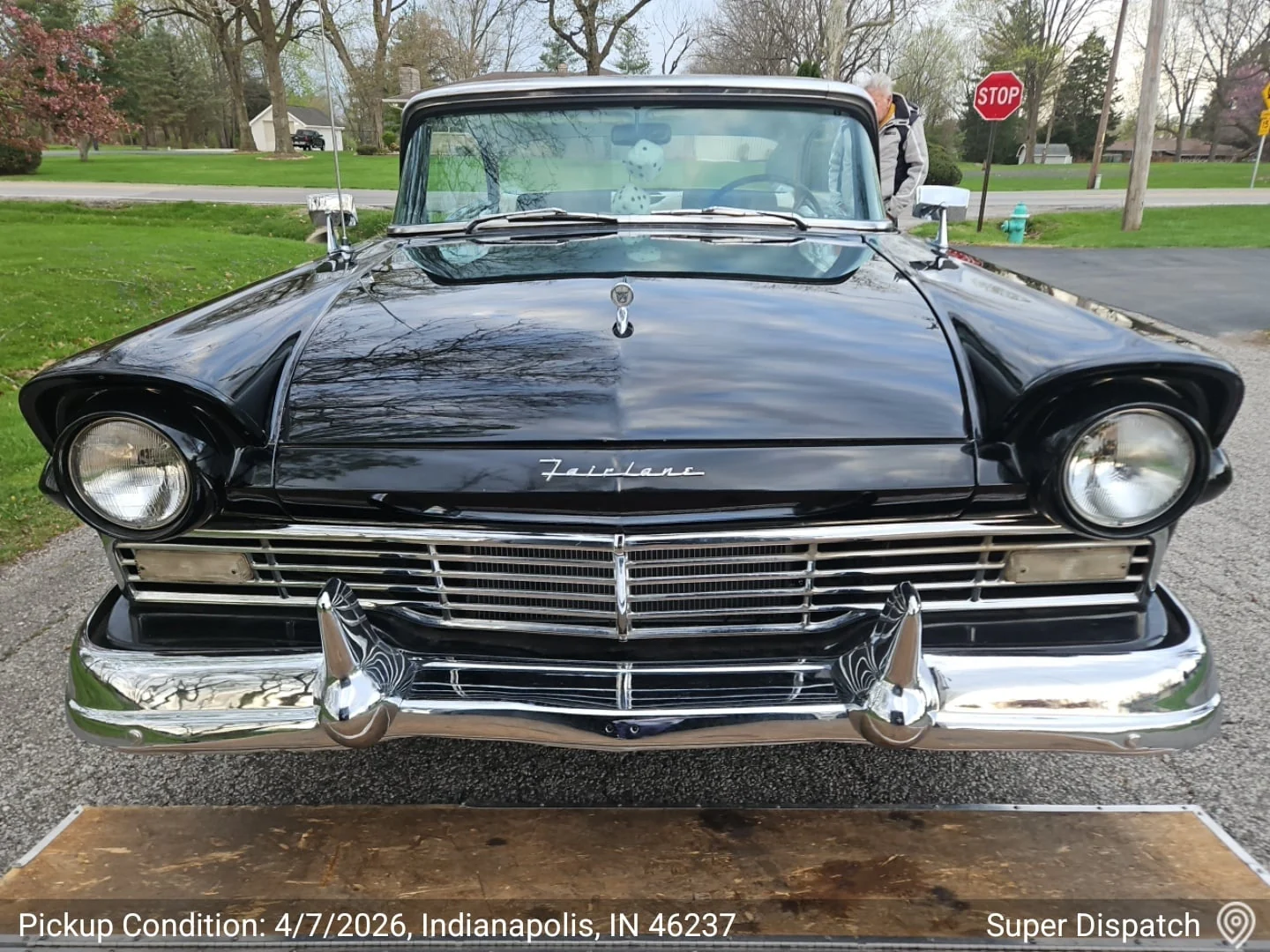
Document wheels, lower body panels, carbon-fiber components, glass, paint and other sensitive areas before loading. Review the pickup inspection carefully and repeat the process at delivery before moving the vehicle away.
Do not assume every enclosed carrier is identical
Trailer height, door width, ramp angle, lift-gate capacity and tie-down methods can vary. The right carrier is the one whose equipment fits the actual vehicle and route.
Communication is part of the service
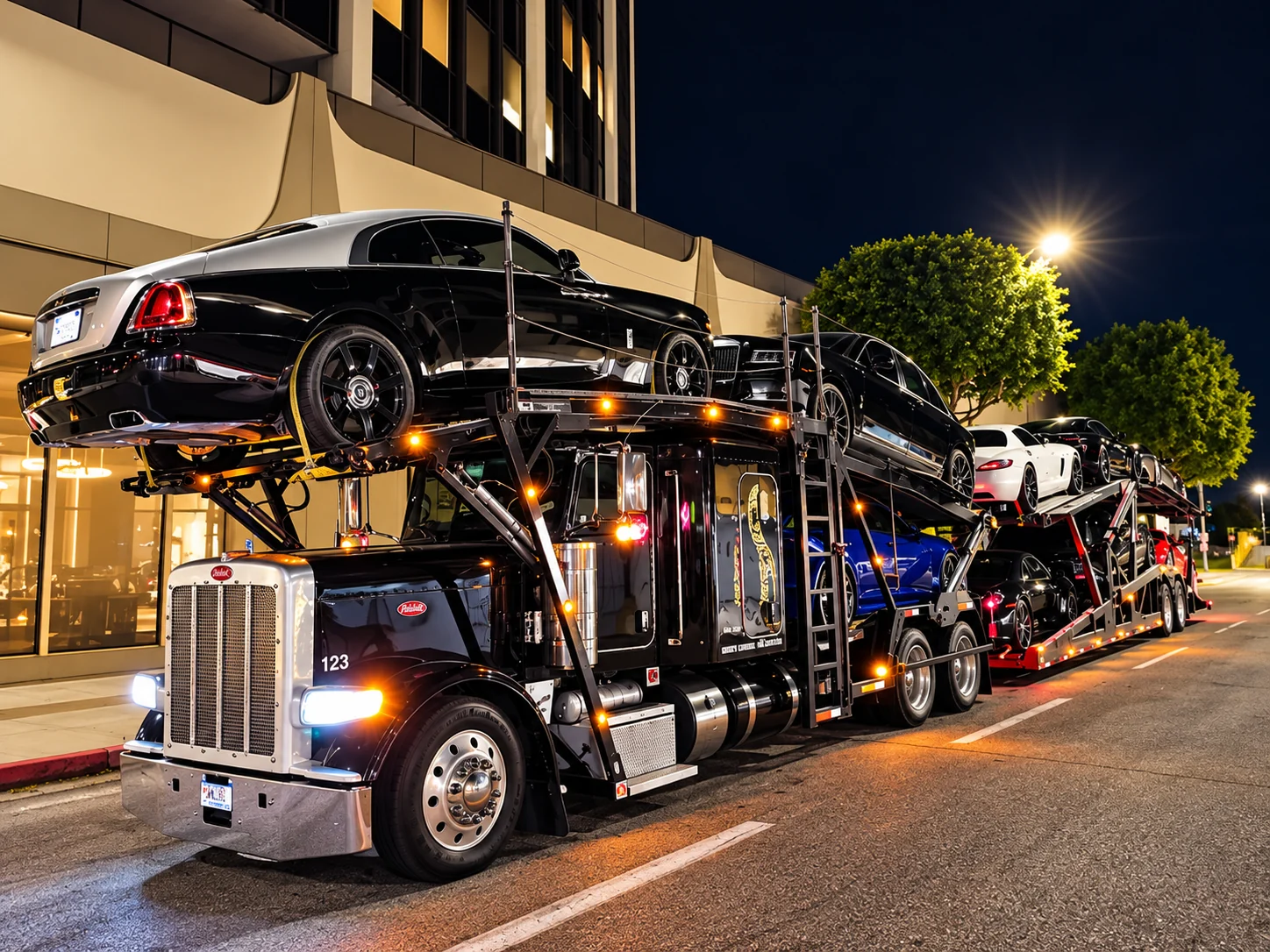
Owners of rare and high-value vehicles often care about exact handling details. Ask the questions that matter before dispatch: how the vehicle will be loaded, what equipment is expected, what information the driver needs and how updates will be communicated.
Practical takeaway: Gold Coast Auto Transport LLC is an FMCSA-authorized property broker. Carrier availability, equipment, policies and live market conditions vary by shipment, so current details should be confirmed before dispatch.
For a collector or exotic vehicle, disclose low splitters, aftermarket suspension, wide tires, nonstandard dimensions, battery cutoffs, unusual starting procedures and any special instructions before a carrier is assigned. Those details are more useful during planning than a general statement that the car is expensive. The goal is to match the vehicle to equipment and a carrier capable of handling its actual requirements.
Document the details that make the vehicle unusual
Value alone does not determine the right transport method. Ground clearance, wheel and tire configuration, bodywork, modifications, weather sensitivity, availability of replacement parts and the owner’s tolerance for exposure all matter. Enclosed transport can reduce exposure to road debris and weather, but the equipment still has to be suitable for the vehicle’s dimensions and loading angles.
Protection starts before choosing open or enclosed
Related guides: Open vs enclosed • Loading and securement • Verify the company
Continue learning: Return to the Gold Coast Knowledge Center →
Need a transport quote? A useful quote starts with the actual route, vehicle, condition and timing. Request a quote.