
A driver-informed overview of loading order, trailer geometry, clearance, weight, tie-downs and why customers should not direct the loading plan. The goal is to explain what matters operationally so customers can make better-informed decisions without turning a real shipment into a generic checklist.
Loading a multi-car carrier is a three-dimensional problem
A driver is not simply parking vehicles on a trailer. The load must fit within the equipment’s positions while accounting for vehicle length, height, weight, ground clearance and the space needed to load and unload other units.
The order of stops can affect the loading order
A vehicle needed at an earlier delivery may need to remain accessible, but route order is only one consideration. The driver also has to manage weight distribution, deck geometry and the physical dimensions of every vehicle on the truck.
Ground clearance changes the ramp angles a vehicle can tolerate
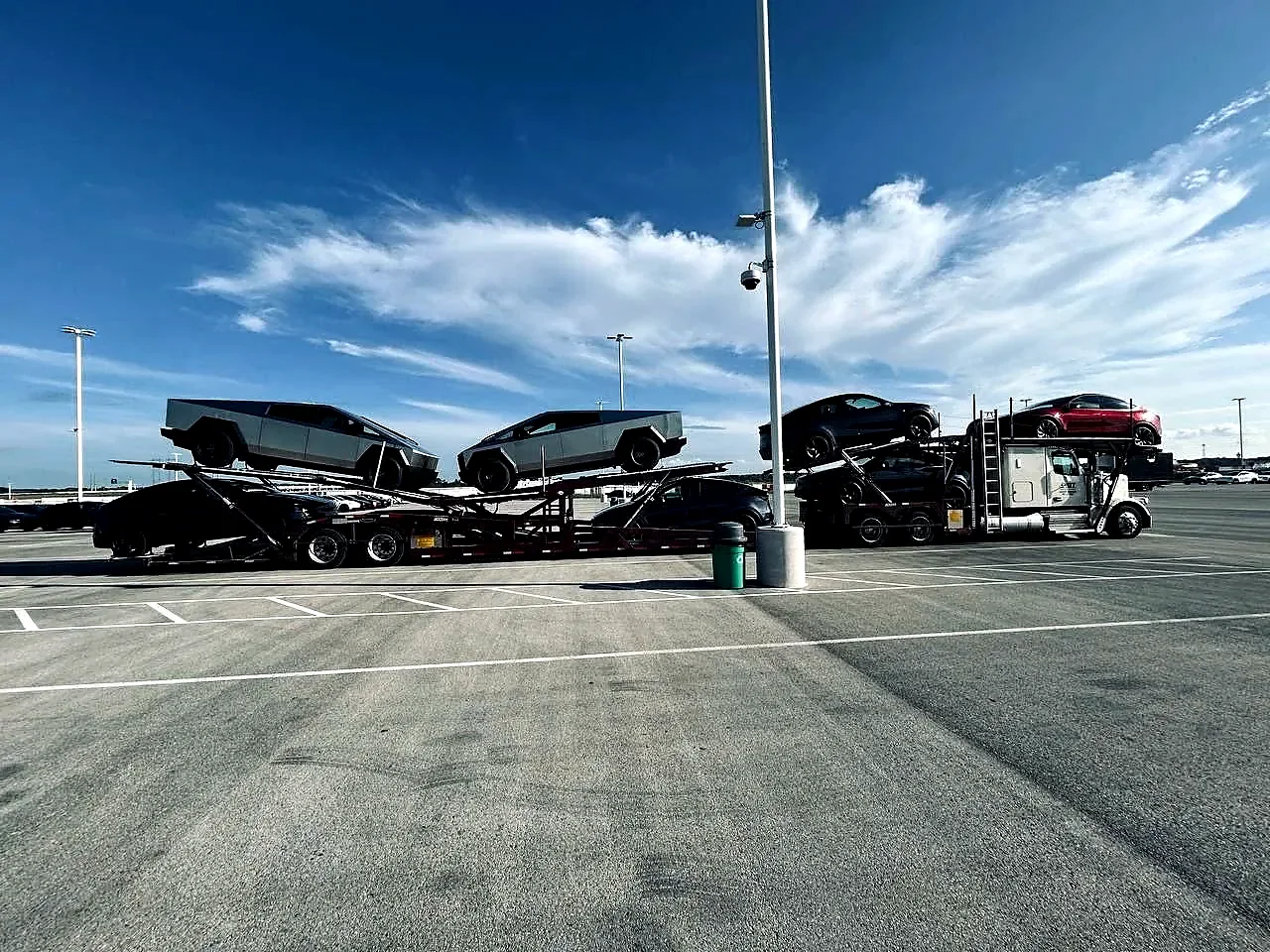
Low cars can contact the trailer at the front bumper, rocker panel or underbody if the approach angle is too steep. Experienced drivers adjust decks and ramps within the equipment’s capabilities, but some vehicles require specialized loading equipment.
Securement must match the equipment and vehicle
Commercial vehicle transporters use purpose-built securement systems. Federal cargo-securement rules include specific requirements for automobiles and light trucks, but the exact method can vary with trailer design and approved equipment. Customers should not remove or alter securement during transit.
The driver may reposition vehicles during a trip
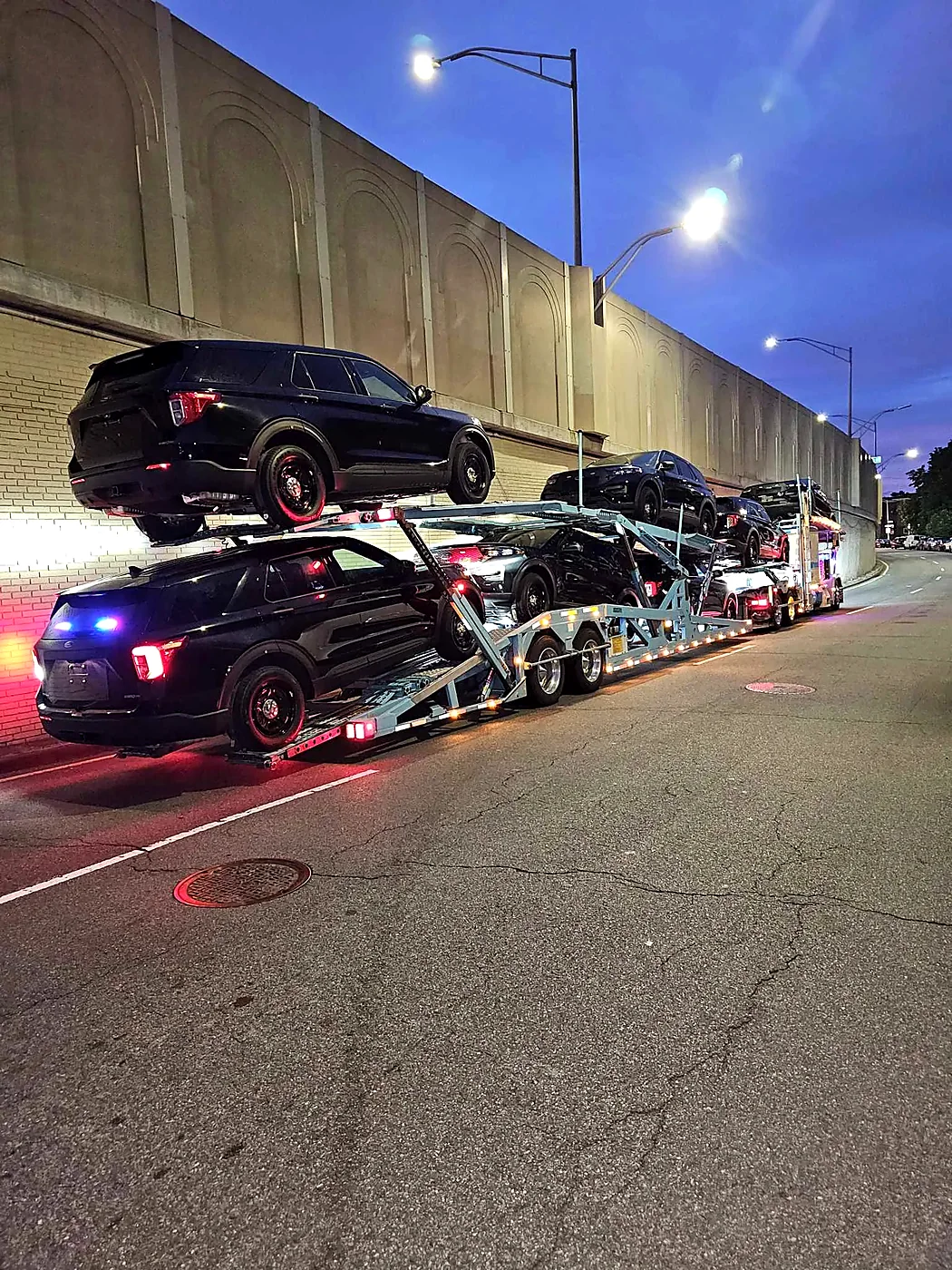
As cars are delivered and new vehicles are picked up, the load can change. Repositioning may be necessary to keep the remaining vehicles safely arranged and accessible.
Accurate vehicle information helps before the truck arrives
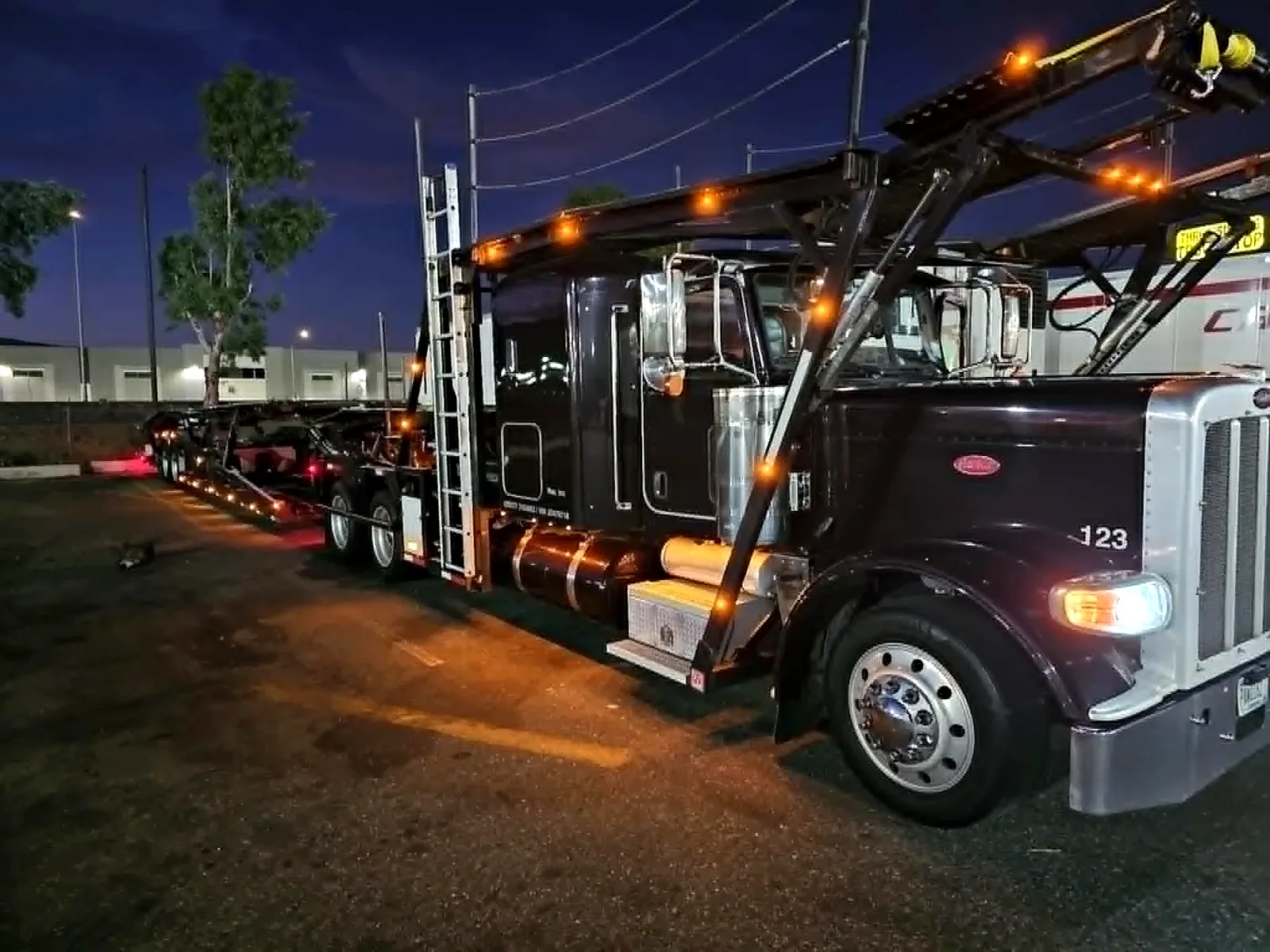
A lifted truck, long-wheelbase van, oversized SUV or modified sports car can change the space available for other vehicles. Year, make and model are a starting point; modifications and unusual dimensions should be disclosed.
Multi-car carriers are working pieces of equipment. Decks move, vehicles come off, new vehicles may be added and the remaining load may need to be repositioned. That does not mean the original loading plan was wrong. It reflects the practical reality of serving multiple pickups and deliveries while keeping the load accessible and within the equipment’s limits. Customers should let the driver control deck position and securement decisions.
Loading sequence can change during the trip
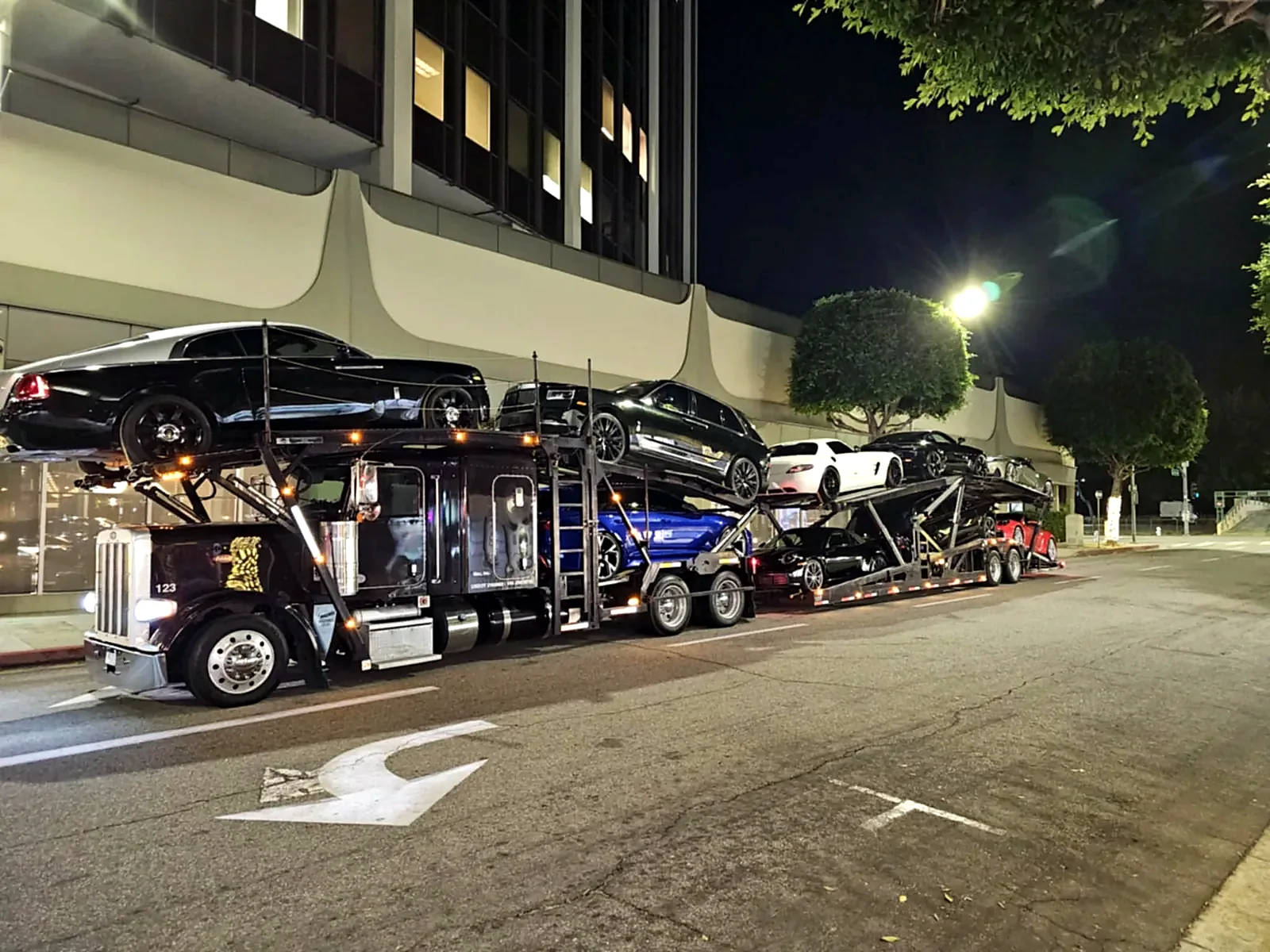
Customers naturally focus on their own vehicle. The driver has to think about every vehicle already on the truck and every stop still ahead. A tall SUV can limit the deck position above it; a long pickup can consume space that would otherwise fit a smaller car; a low sports car may need a gentler loading angle. The final arrangement has to work as a complete load, not simply as a preferred position for one customer.
A carrier is solving for the whole load, not one car
Official sources and verification
Federal records and rules can change. Verify current information through the linked official sources.
Practical takeaway: Gold Coast Auto Transport LLC is an FMCSA-authorized property broker. Carrier availability, equipment, policies and live market conditions vary by shipment, so current details should be confirmed before dispatch.
Related guides: Vehicle size and clearance • Open vs enclosed • What happens at your home
Continue learning: Return to the Gold Coast Knowledge Center →
Need a transport quote? A useful quote starts with the actual route, vehicle, condition and timing. Request a quote.