
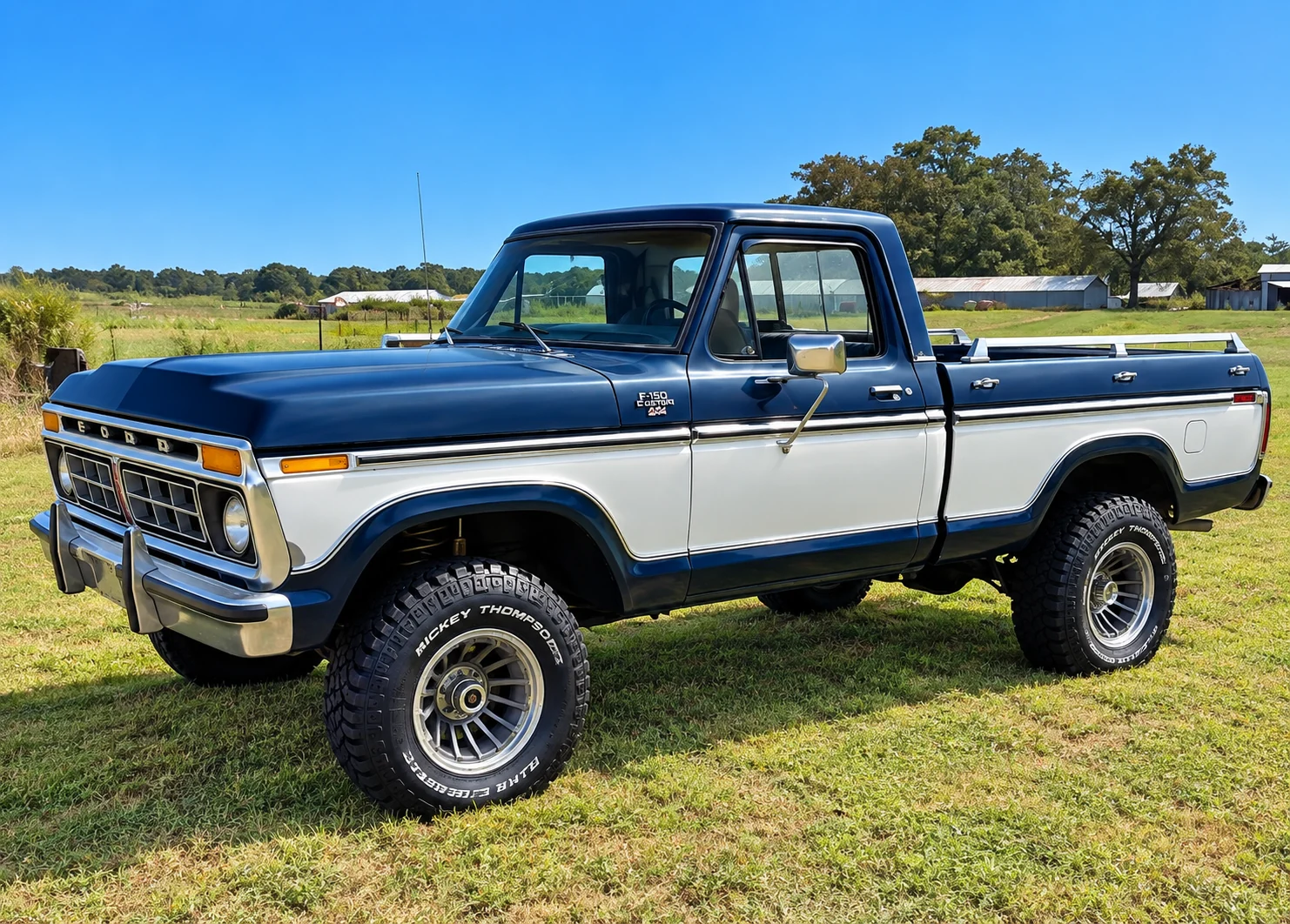
How oversized dimensions, lift kits, lowered suspension, long wheelbases and aftermarket equipment can change carrier space and loading requirements. The goal is to explain what matters operationally so customers can make better-informed decisions without turning a real shipment into a generic checklist.
Year, make and model do not always tell the whole story
A stock vehicle can often be identified accurately from standard specifications. A lift kit, oversized tires, lowered suspension, roof rack, body kit or aftermarket bumper can materially change what the carrier has to accommodate.
Height affects deck position and total loaded height
Multi-level car carriers have limited vertical space between decks and must also operate within legal roadway clearances. A taller vehicle can consume a position that would otherwise fit differently or force the driver to change the load configuration.
Length affects how many vehicles fit
Long-bed pickups, extended vans and large SUVs occupy more linear deck space. That can reduce the number or combination of vehicles a carrier can haul efficiently, which is why oversized vehicles often cost more than compact cars on the same route.
Width can affect doors, rails and enclosed trailers
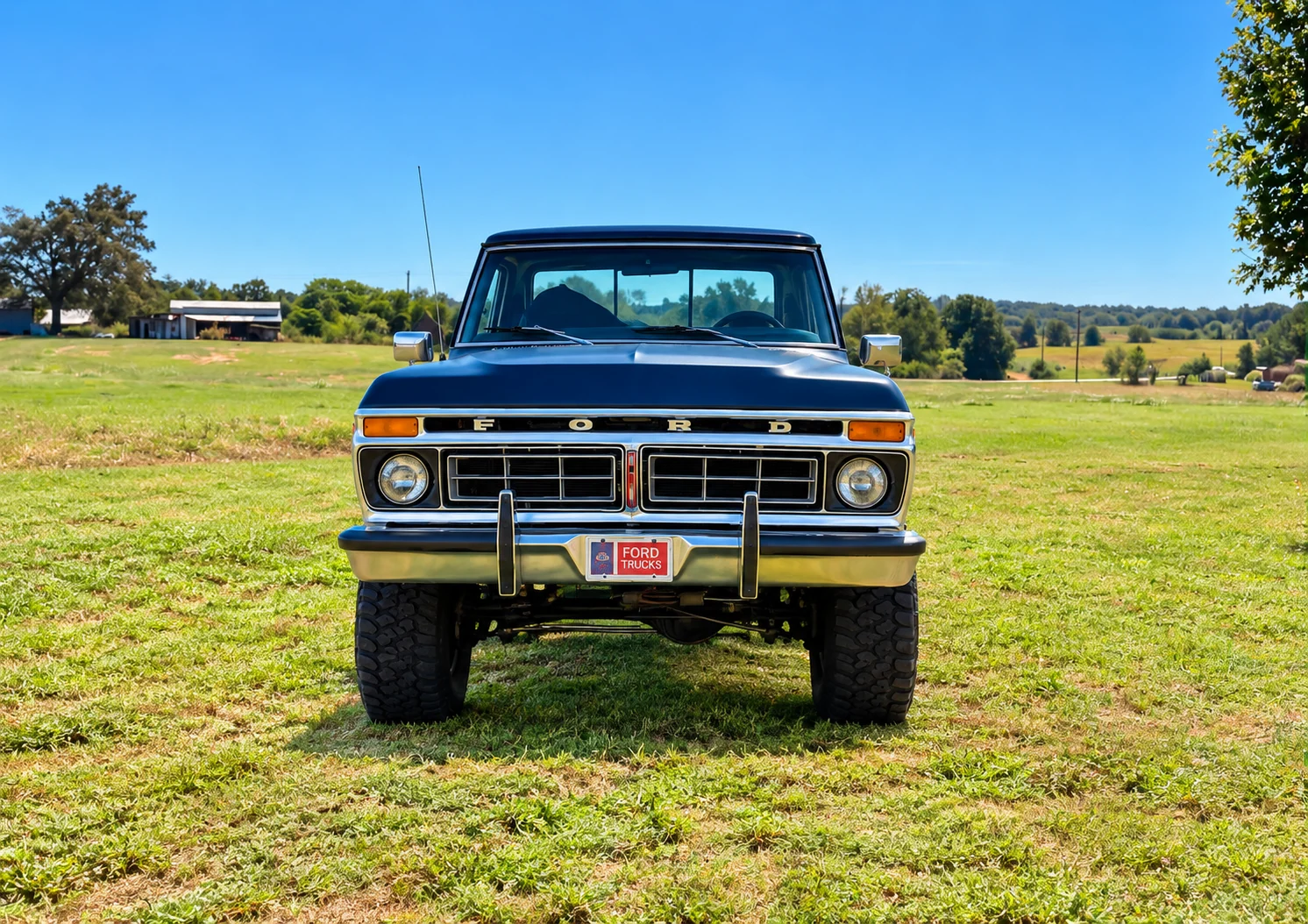
Wide tires, fender flares and mirrors can matter on narrow trailer positions. Enclosed trailers add door-opening and interior-width considerations. Give the broker accurate modification details rather than assuming the stock specification still applies.
Low clearance affects loading angle
A lowered car may require longer ramps, careful deck positioning or lift-gate equipment. The risk is not limited to exotic cars; modified everyday vehicles can have less clearance than some factory sports cars.
Photographs are useful when measurements are uncertain
Current side, front and rear photographs can reveal modifications that a VIN lookup will not. For unusual vehicles, actual height, width, length and ground clearance may be worth measuring before dispatch.
Practical takeaway: Gold Coast Auto Transport LLC is an FMCSA-authorized property broker. Carrier availability, equipment, policies and live market conditions vary by shipment, so current details should be confirmed before dispatch.
A long pickup or full-size SUV may occupy more deck length than a sedan, while a tall vehicle can limit which deck positions can be used above or below it. Low vehicles create a different problem because ramp and breakover angles become critical. These physical constraints are one reason pricing is not simply a mileage calculation and why accurate vehicle identification matters before a carrier accepts the load.
Large vehicles consume capacity in more than one direction
A year, make and model lookup may describe the stock vehicle, but the truck that arrives could be lifted, lowered, fitted with a roof rack, equipped with oversized tires or carrying an aftermarket bumper. Those changes can affect height, width, approach angle and deck space. Disclose them before dispatch and provide measurements or photographs when the change is significant.
Modifications matter more than the factory specification
Related guides: Loading and securement • Luxury and collector cars • How pricing works
Continue learning: Return to the Gold Coast Knowledge Center →
Need a transport quote? A useful quote starts with the actual route, vehicle, condition and timing. Request a quote.