
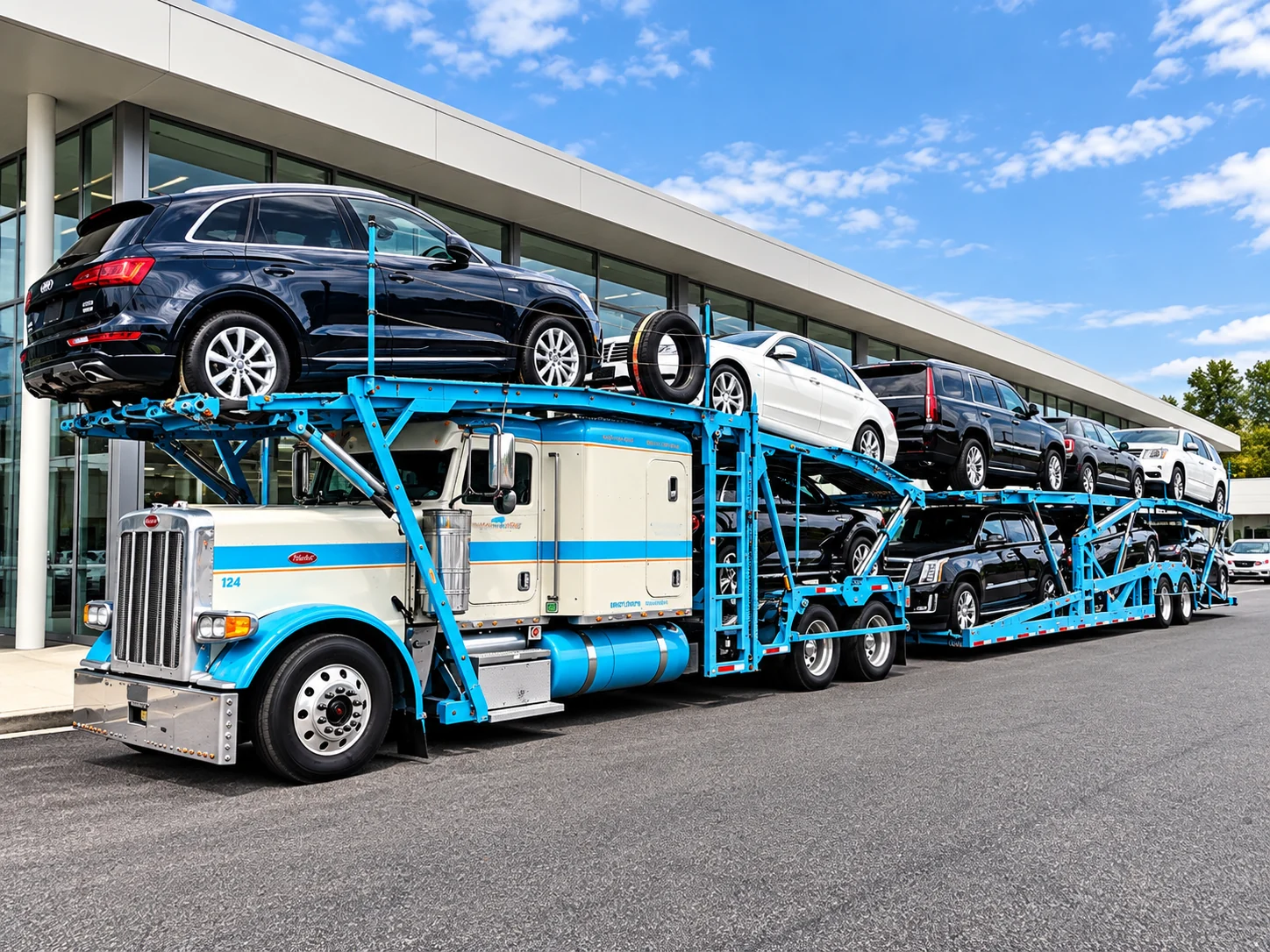
A dealership vehicle-shipping guide covering release contacts, hours, keys, paperwork, inspection, carrier access and delivery communication. The goal is to explain what matters operationally so customers can make better-informed decisions without turning a real shipment into a generic checklist.
A dealership pickup is usually straightforward when the release is ready
The biggest delays often come from communication rather than loading. The transport company should have the dealership name, exact pickup address, stock or VIN information, release contact and the department that actually holds the keys.
Sales hours and vehicle-release hours may be different
A dealership can be open while the office or employee authorized to release transported vehicles is unavailable. Confirm the pickup department’s hours rather than relying only on the showroom schedule.
Tell the transporter about accessories and modifications
Low splitters, oversized tires, lift kits, roof accessories and other modifications can affect loading or trailer space. New and used inventory should be described accurately even when the VIN is already known.
Inspection protects both the dealer and buyer
The driver should inspect the vehicle at pickup and record visible condition. The receiving customer should inspect it again at delivery. This is especially useful when the buyer has never seen the vehicle in person.
Delivery contact information matters
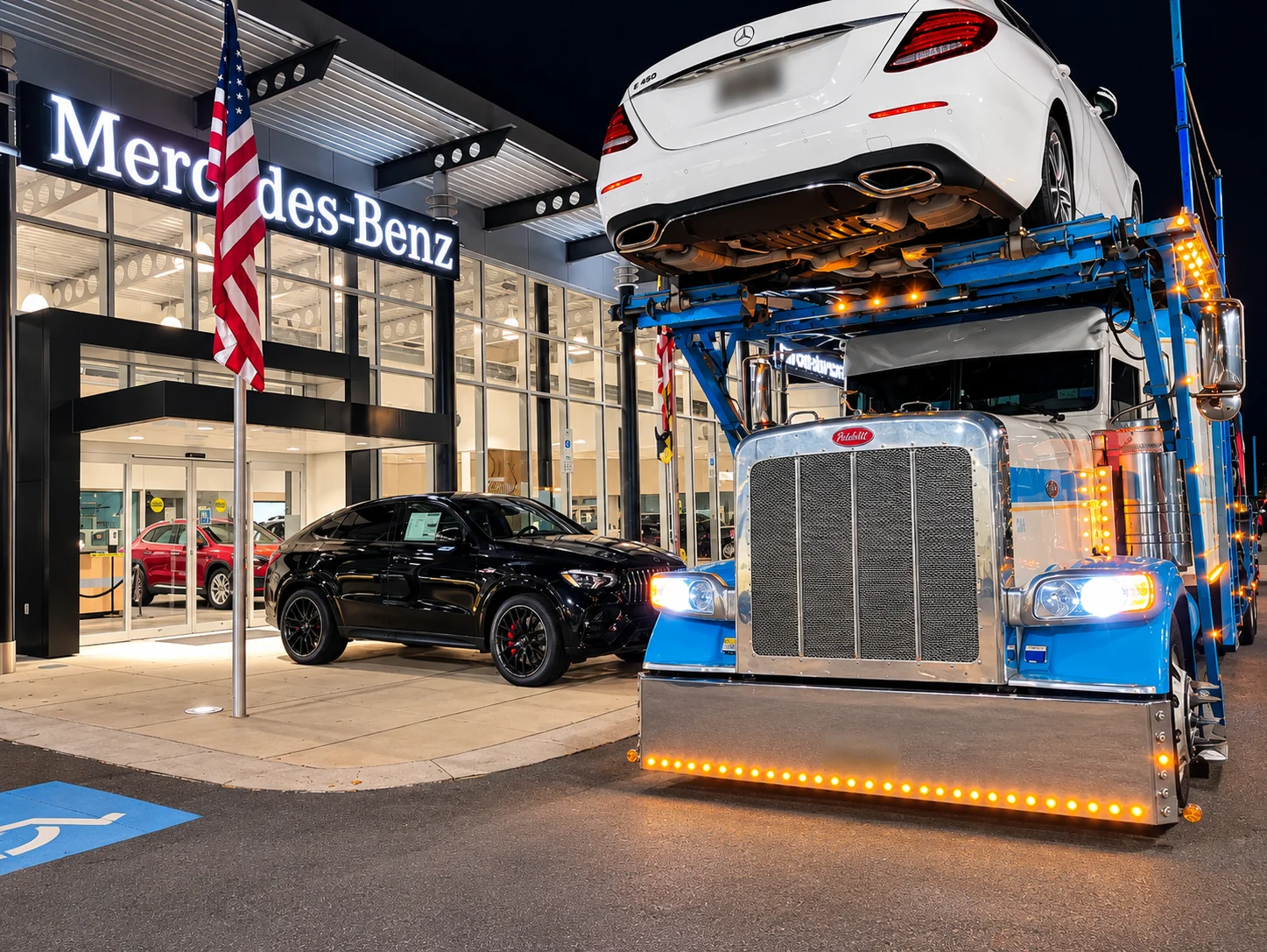
The buyer should be reachable as the truck approaches. If the destination is a gated community, downtown building or other restricted location, arrange a practical meeting point before the carrier is waiting on the street.
Multi-vehicle dealer moves require different planning
Several vehicles from one location can be efficient, but the mix of sedans, SUVs, pickups and non-running units affects how a carrier can build the load. Accurate VINs, dimensions and readiness status prevent surprises when the truck arrives.
Practical takeaway: Gold Coast Auto Transport LLC is an FMCSA-authorized property broker. Carrier availability, equipment, policies and live market conditions vary by shipment, so current details should be confirmed before dispatch.
A new vehicle may be ready to drive and inspect, while a trade, wholesale unit or recently purchased used vehicle may have a weak battery, warning lights, low tire pressure or undisclosed modifications. The transport quote should reflect the vehicle that will actually be presented to the carrier. If the vehicle does not run, steer or brake normally, that information should be disclosed before dispatch so suitable equipment can be arranged.
New, used and trade vehicles can require different handling
A carrier needs more than an address. The vehicle should be released for transport, accessible during the pickup window and accompanied by the correct keys and paperwork. Large dealer groups may have a separate holding lot, service department or inventory location that differs from the retail showroom address. Confirming the actual pickup point and the employee authorized to release the vehicle prevents the truck from arriving at the wrong entrance or waiting while paperwork is located.
Dealership readiness can determine whether pickup is quick or slow
Related guides: How transport works • Vehicle preparation • Vehicle size and modifications
Continue learning: Return to the Gold Coast Knowledge Center →
Need a transport quote? A useful quote starts with the actual route, vehicle, condition and timing. Request a quote.